

You’re trying to build strength, stay fit, or recover from an injury, and someone suggests box step-ups. They sound simple enough, and everyone at the gym seems to be doing them.
But now your knee aches after every session. Maybe it’s a sharp twinge going upstairs or a dull throb later in the day. Either way, it’s enough to make you hesitate before your next workout.
Box step-ups can be a powerful tool when used correctly. But if you’re not paying attention to your form, setup, or joint alignment, they might be making your knee pain worse.
Let’s look at what’s really happening when your knees hurt after step-ups, how to adjust for better support, and when it’s time to call in a physical therapist for help.
Common Mistakes Doing Box Step-Ups (& How to Get It Right)
Box step ups can be one of the most powerful exercises for building strength and balance in your lower body. But they only deliver those benefits if you’re performing them with the right form, load, and strategy. As a sports physical therapist working with active adults and runners in Las Vegas, I see a lot of knee pain that traces back to this one move done wrong.
If your goal is to build lower body strength, improve balance, or boost explosive power for events like the Las Vegas Turkey Trot or the Sunset Park Trail Series, this is a movement worth mastering.
Choosing a Box That’s Too High
If your step or bench is too high, you force your leg into a deep bend that your body might not be ready for. This puts extra stress on your knee and lower back.
Here’s what to do instead:
- Use a low step where your knee stays below your hip when you place one foot on the box
- Only raise the height once your form stays solid through full sets of reps
- Focus on control and power from your glutes, not momentum
High step ups should come later as part of progressive overload once your strength and stability improve.

Pushing Off the Wrong Leg
One of the most common mistakes I see is pushing off the back leg instead of driving through the front foot. If your right foot is on the box, your right leg should do most of the work.
To fix this:
- Place all your weight through the heel of the leading foot
- Keep your back leg light and avoid jumping off it
- Think of the exercise as a single-leg squat moving vertically
This adjustment helps you activate the right muscles: glutes, hamstrings, and core.
Rushing Through the Movement
Speed kills form. When you move too fast, you lose control and rely on momentum. That’s a recipe for muscle imbalances and nagging pain.
Slow it down by:
- Holding the top of each rep for a second before stepping down
- Keeping your chest tall and torso engaged
- Moving forward with intention rather than blasting through explosive step ups too soon
Slower reps increase time under tension and improve muscle coordination across your lower body.
If you’re tired of guessing what’s going wrong with your form or you’re sick of knee pain getting in your way, we can help. At Green PT, we offer a 100% satisfaction guarantee on your care. You have nothing to lose, and better movement to gain.
Call us at 702-935-9740 or schedule a free Discovery Call. Let’s make sure your next step up moves you forward, not backward.
Not Controlling the Way Down
Step-ups work your muscles through both the lifting and lowering phase. If you let gravity pull you back down, you’re missing half the exercise—and potentially irritating your knees.
Here’s how to fix it:
- Step down with control, keeping your chest upright
- Avoid slamming your foot or collapsing through the hips
- Match your descent speed to your lift for better balance
We use this kind of focused tempo work a lot with clients training for races at Floyd Lamb Park or prepping for hiking at Mount Charleston.
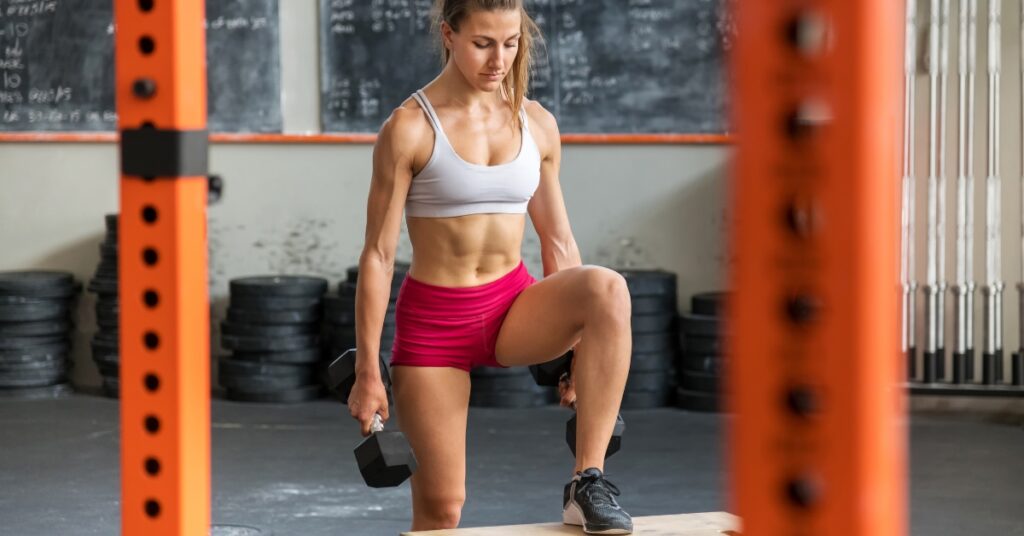
Using Weights Too Soon
Jumping into dumbbell step-ups or barbell variations before your body is ready is one of the quickest ways to overload your knees. Weight is a tool, not a shortcut.
Instead:
- Master bodyweight step-ups first
- Add light dumbbells only when your form is consistent
- Keep your reps clean and your core engaged to protect your joints
We often start patients with low step or unweighted versions before layering in load for long-term gains.
Bonus Tip: Don’t Skip the Warm-Up
Your muscles need blood flow and activation before you load them. Starting cold is asking for tight hips, poor control, and added joint stress.
Try this warm-up before training:
- Glute bridges
- Bodyweight squats
- Standing hip circles
- Light cardio like biking or walking
Getting your glutes, hamstrings, and core turned on makes a huge difference in how safe and effective your step-ups feel.
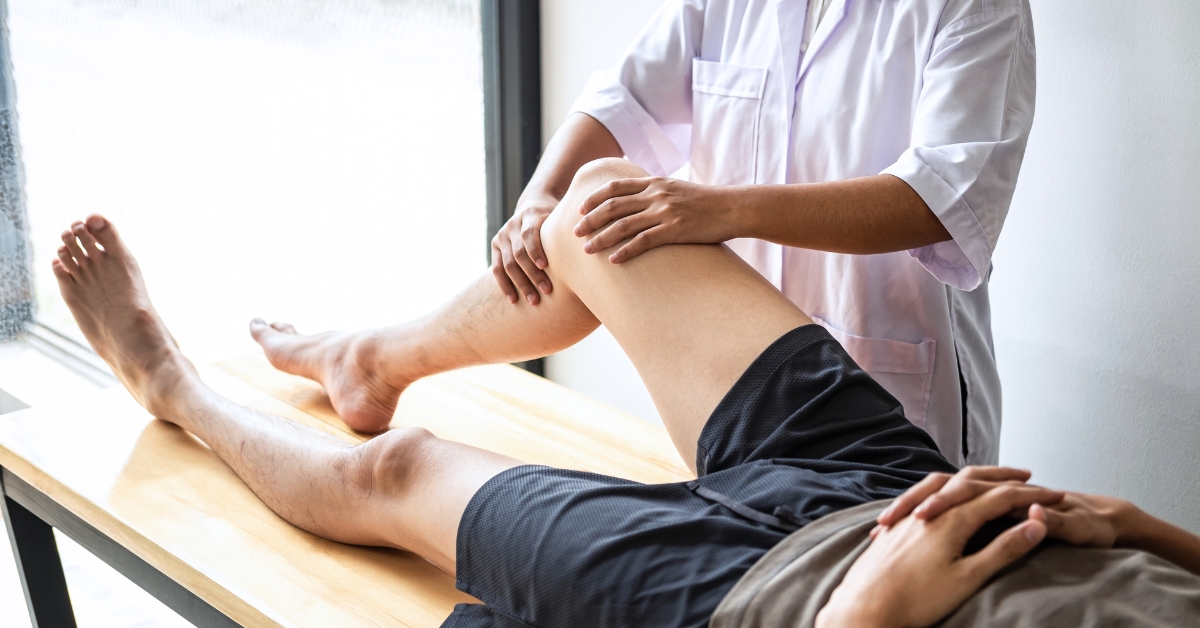
Green Physical Therapy Helps You Bring Your A Game
Knee pain doesn’t have to sideline your workouts. And box step-ups don’t have to be a source of frustration. At Green Physical Therapy, we help you correct movement patterns, restore balance, and build real strength that lasts.
One-on-One Attention with Real Results
When you work with us, you don’t get passed off to a tech. You get 100% of your time with a Doctor of Physical Therapy who knows how to guide you through every rep.
We assess:
- Your step-up form from the ground up
- How each leg moves and absorbs load
- Where your strength or stability breaks down
Then we create a training and recovery plan tailored to your goals. Whether you’re chasing a podium spot in the Summerlin Half Marathon or staying strong for your group training sessions at Red Rock, we’ve got you.
Smarter Training Starts Here
We believe movement should feel powerful, not painful. Our focus is to help you push harder without hurting more. You’ll relearn foundational movements like step-ups, squats, and single-leg work with total control and confidence.
Every plan includes:
- Manual therapy to reduce stress and restore mobility
- Muscle reeducation to fire the right muscles at the right time
- Progressions that match your fitness level and goals
- Specific cues and drills that keep your knees safe as you train
Step-ups are more than a leg exercise. Done right, they unlock better performance across every movement you do in the gym or on the trail.
Let’s Get You Back to Peak Performance
If you’re tired of guessing what’s going wrong with your form or you’re sick of knee pain getting in your way, we can help.
We offer a 100% satisfaction guarantee on your care. You have nothing to lose, and better movement to gain.
Call us at 702-935-9740 or schedule a free Discovery Call. Let’s make sure your next step up moves you forward, not backward.